C2PA & Content Credentials: What They Can and Cannot Prove
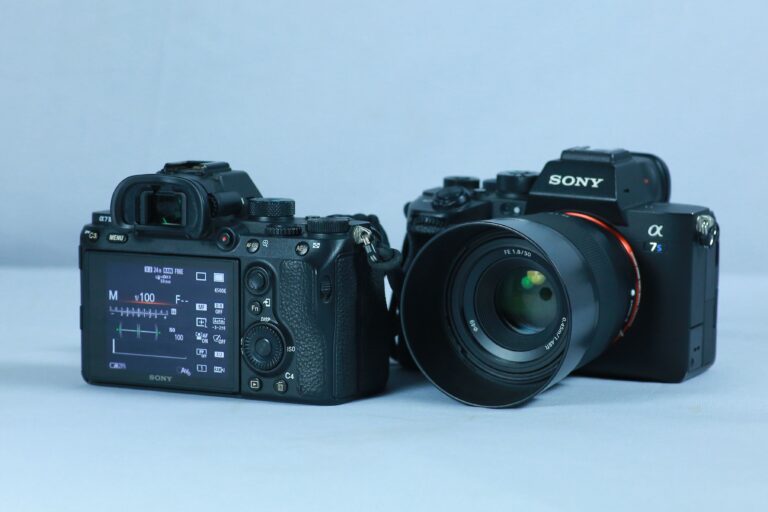
What C2PA and Content Credentials actually tell you about the origin and editing history of digital media — and the important things they do not prove.



What C2PA and Content Credentials actually tell you about the origin and editing history of digital media — and the important things they do not prove.
A practical guide to checking whether an online image is trustworthy using source checks, reverse search, context, provenance, Content Credentials and forensic clues.

A familiar voice is no longer proof of identity. Learn how AI voice-cloning scams work, the warning signs to recognise, and the practical UK steps families can use to verify an urgent call.

AI scams are using cloned voices, deepfake videos, fake endorsements and convincing messages to create trust. Learn the practical UK checks to spot warning signs, verify identity and respond safely.
The future of digital trust is shifting from asking whether content looks fake to asking whether its origin can be proven. Learn how provenance, Content Credentials and authenticity signals are changing what trust means online.

No single detector can prove an image is authentic. This explainer introduces a five-layer approach combining provenance, watermarking, fingerprinting, forensic detection and human review.
Deepfakes are no longer abstract. From public figures to teenagers, synthetic media can be used for impersonation, fraud and abuse. This guide explains the risk in plain language and what people can do when they encounter it.
AI can now generate convincing customers, reviews and promotional content. Learn how fake reviews and synthetic identities are changing online shopping — and the practical checks consumers can use before trusting what they see.
How can you tell whether a photo is real? A plain-English guide to AI labels, Content Credentials, watermarking and provenance — and why proving origin matters more than simply spotting visual mistakes.