

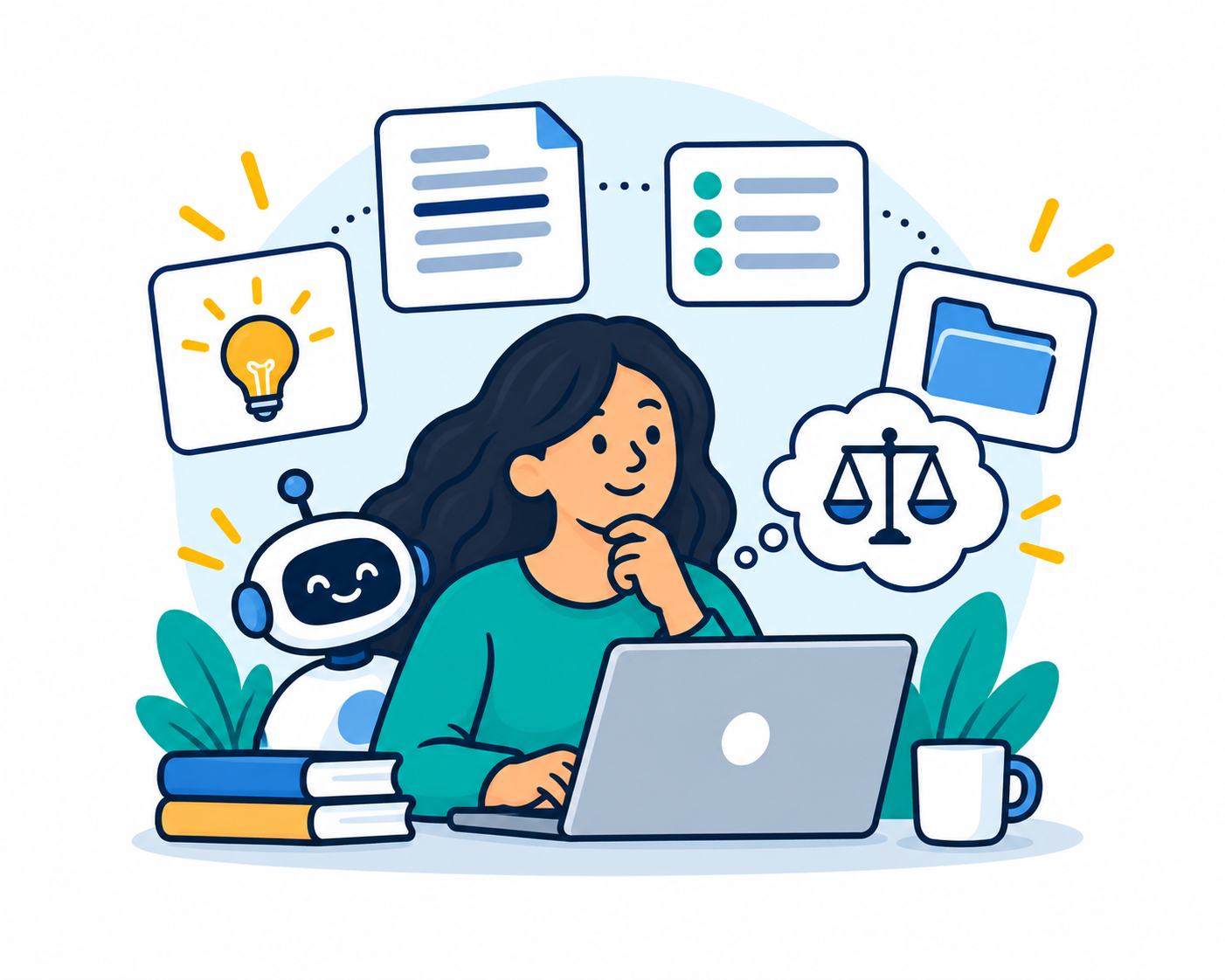
Use AI for the right kind of task
Drafting, brainstorming, summarising and exploring ideas are different from making medical, legal, financial or safeguarding decisions.
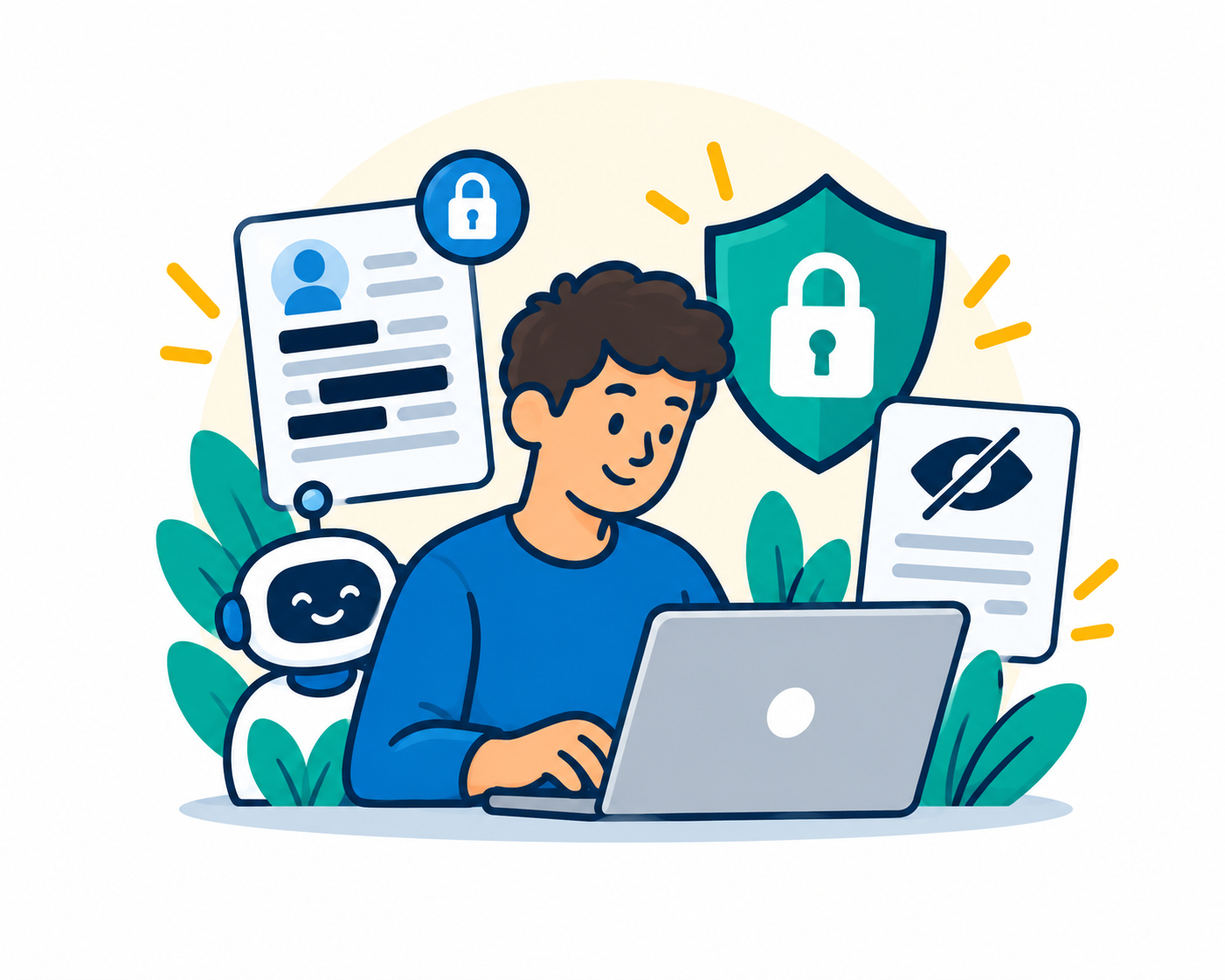
Protect sensitive information
Think before pasting personal, confidential or organisational information into an AI service. Use approved tools and policies where they exist.
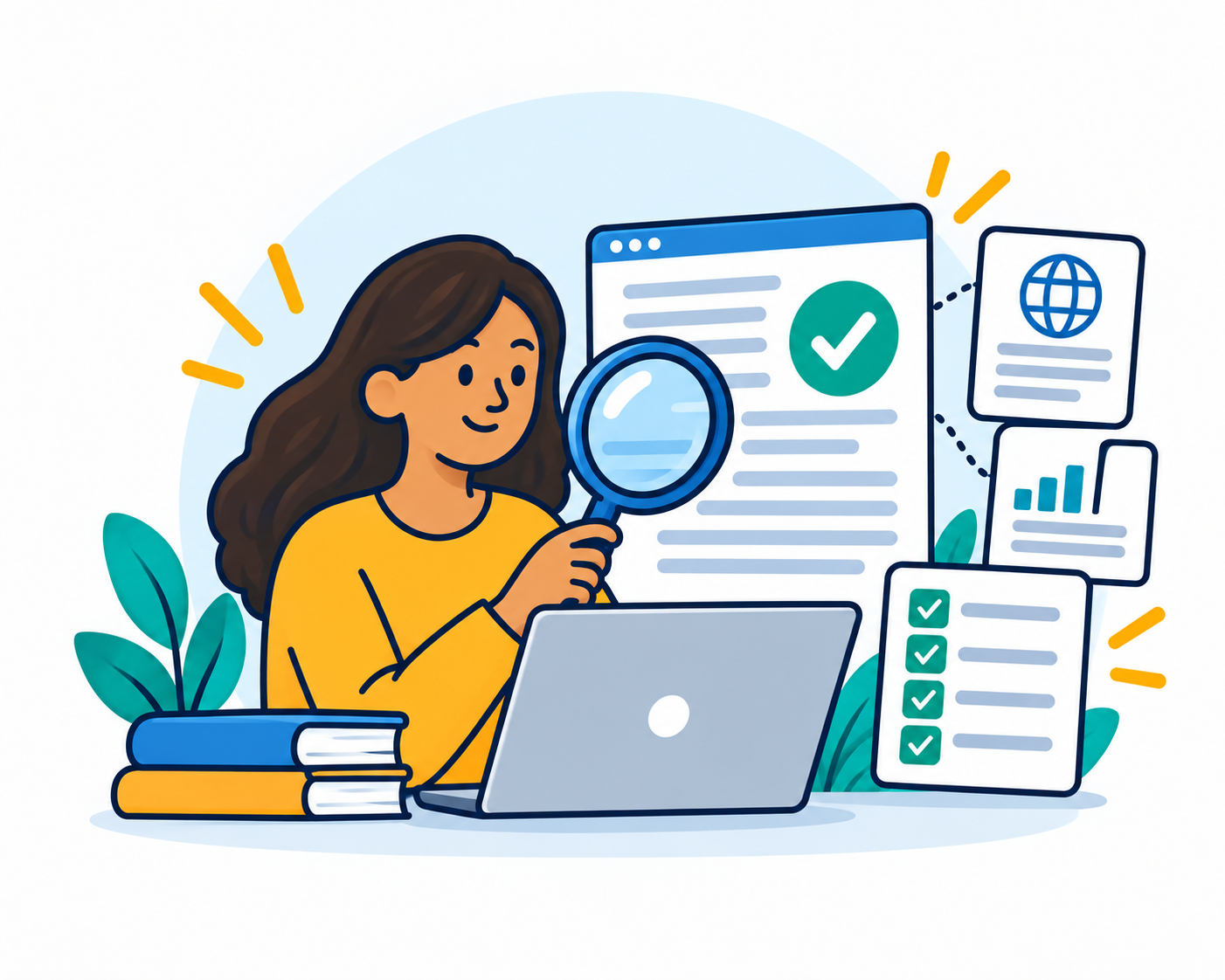
Check important outputs
Verify facts, figures, citations and instructions against reliable sources whenever the consequences of an error matter.
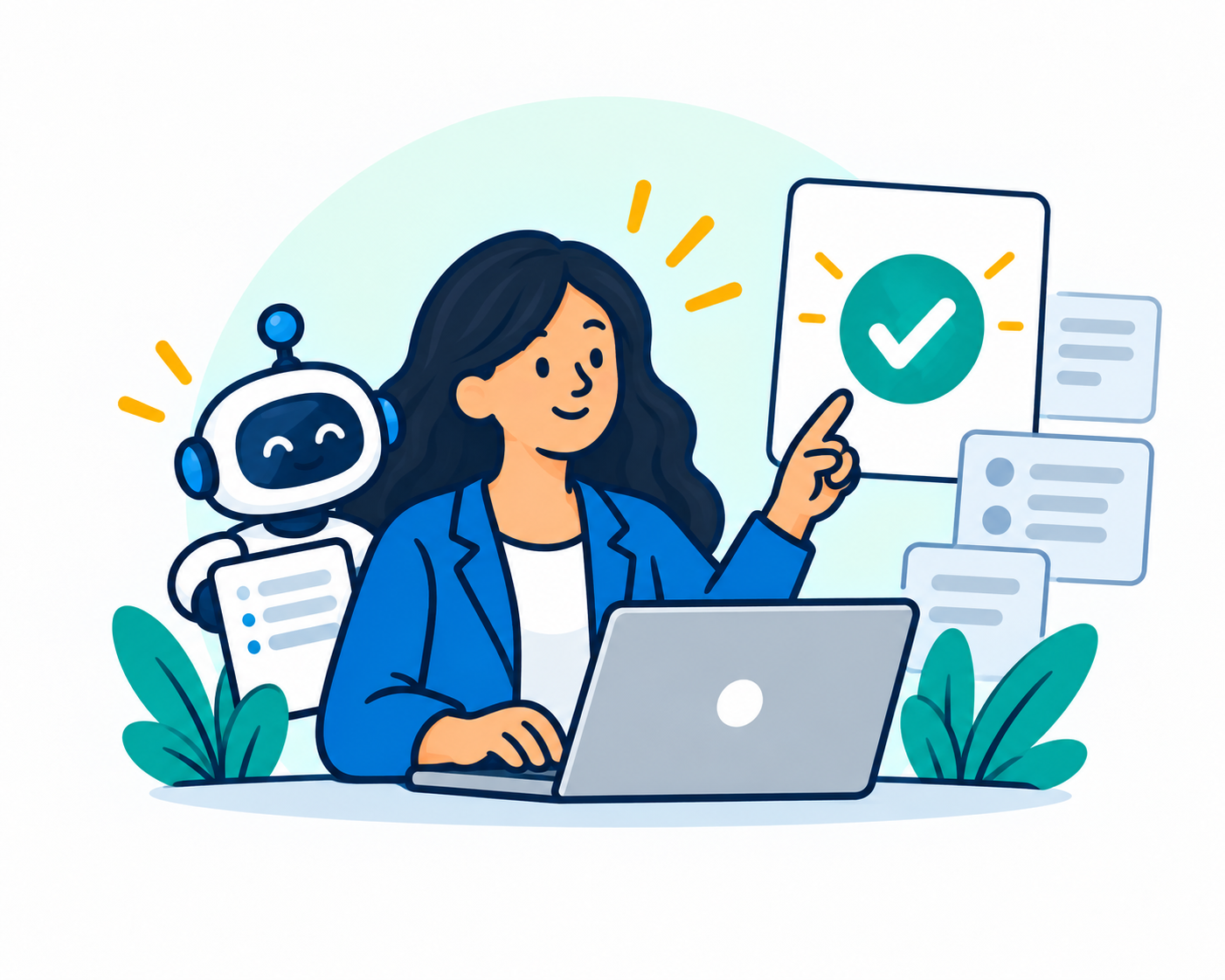
Keep people responsible for decisions
AI can support judgement, but accountability should stay with the person or organisation making the decision — especially in high-stakes settings.

Improve the result, don’t just accept it
Ask for alternatives, challenge assumptions, add missing context and compare outputs. AI works best as an iterative tool rather than a one-shot authority.