

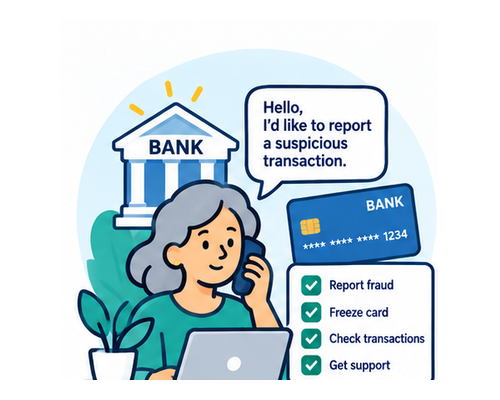
Contact your bank immediately
If you sent money, shared card details or authorised a payment, contact your bank using the number on your card or official banking app — not a number from the suspicious message.
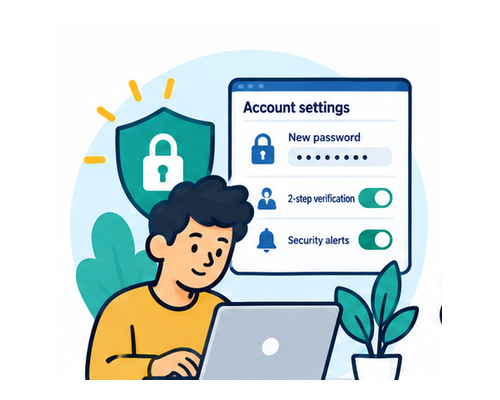
Secure your accounts
Change compromised passwords, enable multi-factor authentication where available, and sign out of unfamiliar sessions or devices.
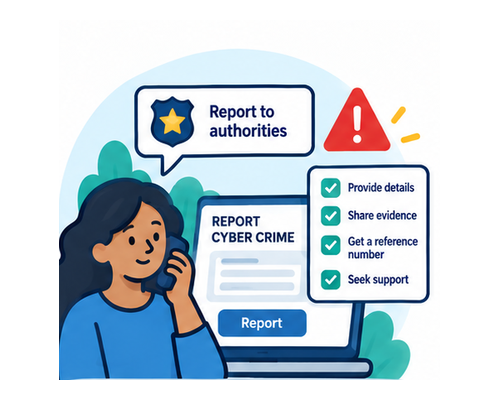
Cyber crime or fraud
In England, Wales and Northern Ireland, use Report Fraud. In Scotland, contact Police Scotland on 101.
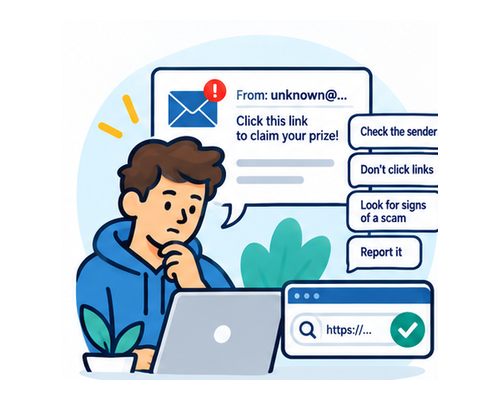
Suspicious email, text or website
Use the National Cyber Security Centre’s phishing guidance. Suspicious texts can usually be forwarded free to 7726.
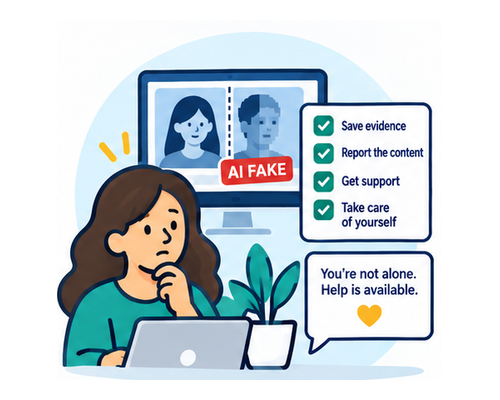
Deepfake used for crime, abuse or threats
Police guidance covers fraud, false communications, blackmail, stalking, harassment and other illegal uses of deepfakes.
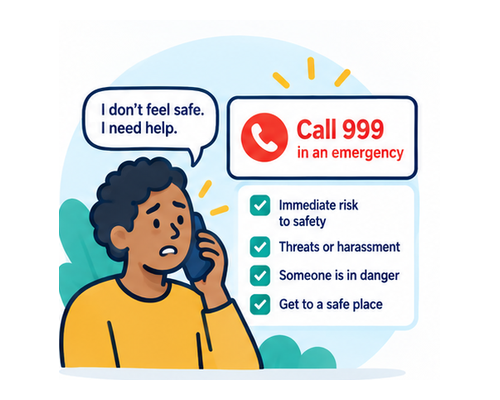
Immediate danger
If someone is in immediate danger or a crime is happening now, call 999. For non-emergency police matters, use 101.